
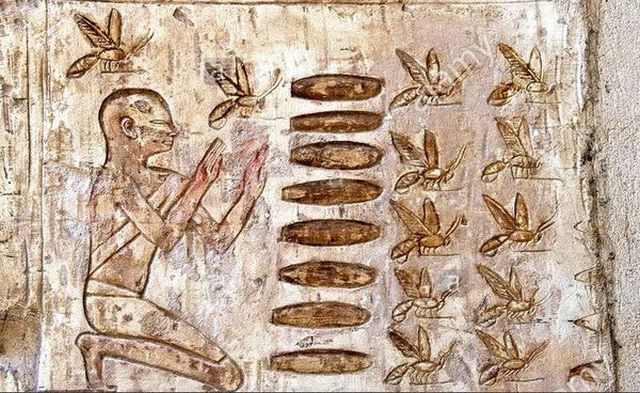
Mead may date back as far as 20,000 to 40,000 years, likely discovered through natural fermentation of honey and water.
Pottery vessels from northern China show chemical traces of honey, rice, and fermentation — among the earliest alcoholic drinks known.

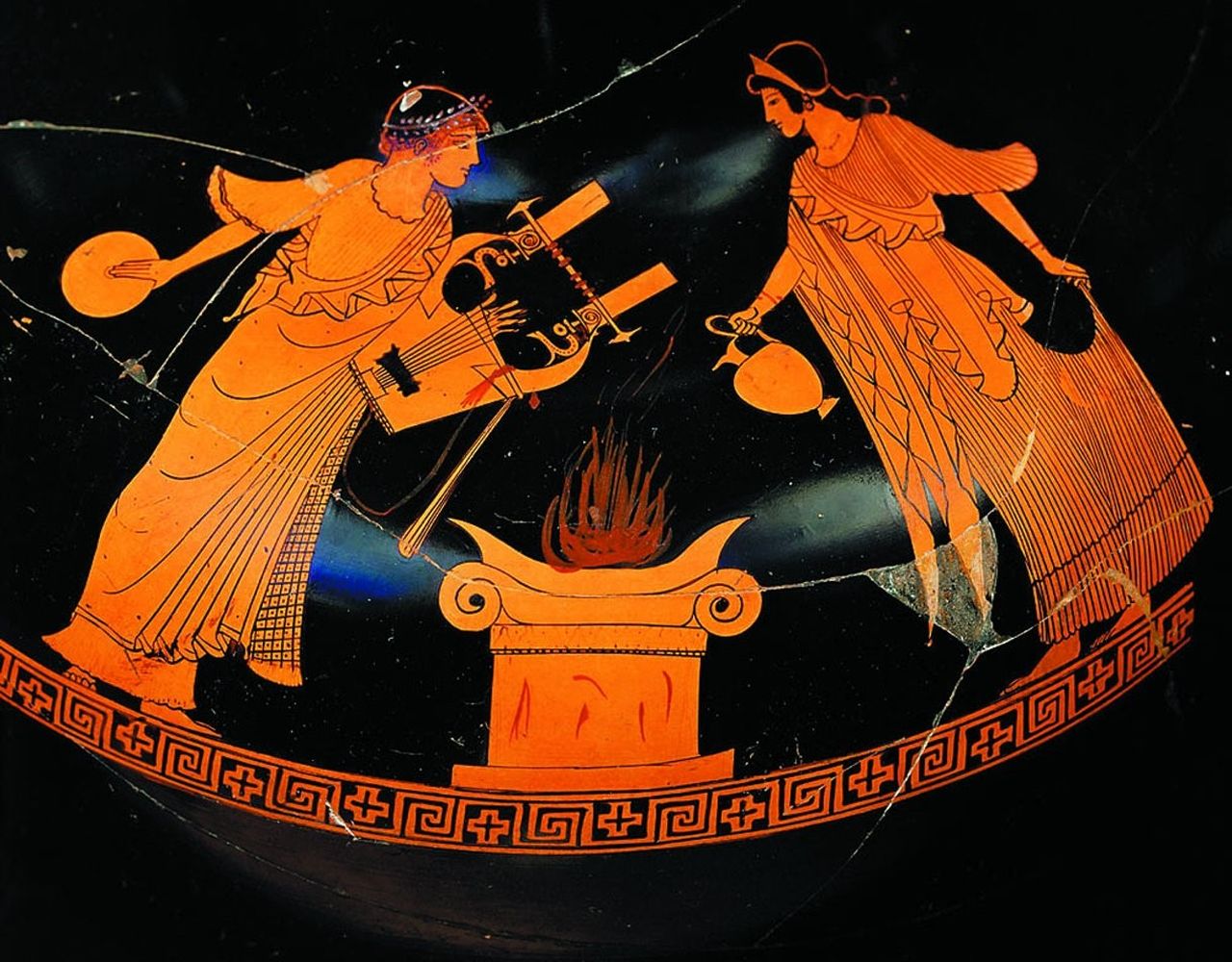
Mead was widely consumed across the ancient world. Aristotle wrote about it, while Roman texts describe recipes blending honey with water and grape juice.

Mead was often seen as a tonic. Spiced variations, known as metheglin, were believed to improve health and longevity.

Mead was the drink of warriors and gods. In Norse mythology, the Mead of Poetry granted wisdom and inspiration.

Mead halls were central to social life. It appears in Beowulf, Welsh poetry, and was enjoyed by kings and nobles alike.

As beer, wine, and spirits became easier to produce, mead gradually fell out of favour.

Today, mead is experiencing a resurgence. Small producers are refining the drink with modern techniques and a focus on quality.